Rainbow Gradient Backgrounds: A Strategic Tool for Creative and Practical Use
Rainbow Gradient Backgrounds are more than just a visual aesthetic—they represent a powerful design element that can be strategically leveraged across various creative and professional domains. These backgrounds, composed of smooth transitions between vibrant colors, offer a dynamic backdrop that can enhance mood, focus, and overall engagement in both digital and physical environments. Whether used in branding, marketing, or personal projects, the thoughtful integration of Rainbow Gradient Backgrounds can support a wide range of goals, from boosting creativity to improving communication.
Why Rainbow Gradient Backgrounds Matter in Modern Design
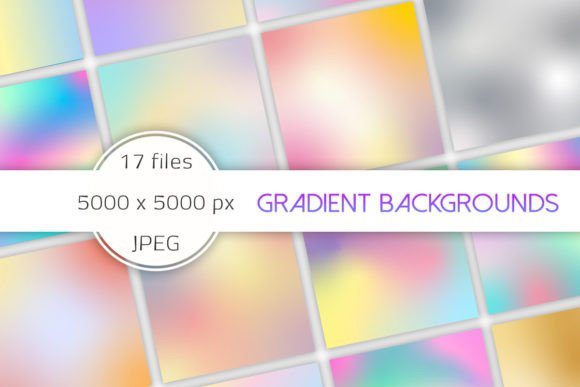
The strategic use of color gradients is a well-documented method for influencing perception and emotion. Rainbow Gradient Backgrounds, with their blend of bright, pastel, and neutral tones, provide a versatile foundation that can adapt to different contexts. For instance, a soft gradient might be ideal for a serene workspace, while a bold, holographic gradient could energize a presentation or promotional material.
These backgrounds are particularly useful for designers and creators who need to maintain visual consistency across multiple assets. Their high-quality resolution—such as the 5000 x 5000 pixel size offered in this collection—ensures that they remain sharp and clear when scaled or printed, making them suitable for both digital and print applications. This level of quality is especially important for professionals who rely on consistent visuals to reinforce brand identity or deliver impactful messages.
Strategic Applications of Rainbow Gradient Backgrounds
Rainbow Gradient Backgrounds are not limited to decorative purposes. They can be strategically applied in areas such as:
- Branding: As part of a cohesive visual identity, these backgrounds can be used in logos, websites, and marketing materials to create a memorable and emotionally resonant brand image.
- Design Projects: From posters and cards to digital templates, gradients provide a flexible canvas that allows for creative experimentation without overwhelming the viewer.
- Learning Environments: Educational content can benefit from visually engaging backgrounds that stimulate attention and retention, especially in digital learning platforms.
- Marketing Campaigns: The vibrant and dynamic nature of rainbow gradients makes them ideal for promotional materials, social media posts, and event backdrops.
- Personal Spaces: Whether it's a home office or a creative studio, a carefully chosen gradient background can influence productivity and creativity by setting the right tone and ambiance.
By integrating Rainbow Gradient Backgrounds into these strategic areas, users can enhance the overall impact of their work while maintaining a strong visual narrative.
How to Approach the Use of Rainbow Gradient Backgrounds
Before incorporating Rainbow Gradient Backgrounds into your workflow, consider the following steps to ensure effective and intentional use:
- Define Your Goals: Determine what you hope to achieve with the use of these backgrounds. Are you looking to inspire creativity, improve focus, or communicate a specific message?
- Choose the Right Tone: Select gradients that align with your project’s purpose. For example, pastel hues may be better suited for a calming environment, while neon shades can add energy and excitement.
- Consider Context: Think about how the gradient will be used—whether it’s for a website, print material, or a digital presentation—and choose a background that complements the medium.
- Test and Refine: Experiment with different gradients and combinations to see which ones best support your intended outcome. Avoid overcomplicating the design; simplicity often leads to greater impact.
- Ensure Accessibility: While vibrant colors are visually appealing, they should also be accessible to all users. Consider contrast ratios and colorblind-friendly options when selecting gradients.
By following these steps, you can avoid common pitfalls such as using gradients randomly or without purpose, which can lead to visual clutter and diminished effectiveness.
Practical Examples and Use Cases
Let’s explore some real-world examples where Rainbow Gradient Backgrounds have been effectively utilized:
1. Digital Marketing: A small business owner might use a vibrant rainbow gradient as the background for a social media post promoting a summer sale. The gradient draws attention to the product while creating a sense of joy and celebration.
2. Branding: A creative agency could incorporate a soft pastel gradient into their website’s homepage to reflect a modern, approachable brand image. This choice helps differentiate them from competitors while maintaining professionalism.
3. Education: An educator might use a subtle gradient background in an online course to help students stay focused and engaged. The background enhances the learning experience without distracting from the content.
4. Personal Projects: A freelance designer might use a holographic gradient as the backdrop for a portfolio presentation, showcasing their creativity and attention to detail.
Each of these examples demonstrates how Rainbow Gradient Backgrounds can be tailored to fit specific needs and objectives, reinforcing their value as a strategic design tool.
Potential Risks and Considerations
While Rainbow Gradient Backgrounds offer numerous benefits, there are potential risks associated with their misuse:
- Lack of Purpose: Using gradients without a clear objective can result in a visually busy design that fails to communicate effectively.
- Inappropriate Tone: Choosing the wrong color palette can misalign with the intended message or audience, leading to confusion or disengagement.
- Overuse: Relying too heavily on gradients can create a repetitive or monotonous visual experience, reducing their impact over time.
- Accessibility Concerns: Poorly chosen gradients may not be visible or readable to all users, including those with visual impairments.
To mitigate these risks, it’s essential to approach Rainbow Gradient Backgrounds with intentionality and awareness of their role within the broader design context.
Conclusion
Rainbow Gradient Backgrounds are more than just a design trend—they are a strategic resource that can enhance creativity, communication, and overall effectiveness. By understanding their potential and applying them thoughtfully, users can unlock new possibilities in their work and achieve better results. Whether you're an entrepreneur, designer, or hobbyist, these backgrounds offer a versatile and powerful way to elevate your projects and make a lasting impression.